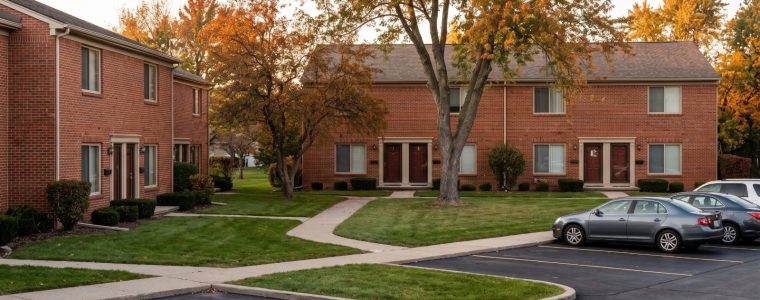
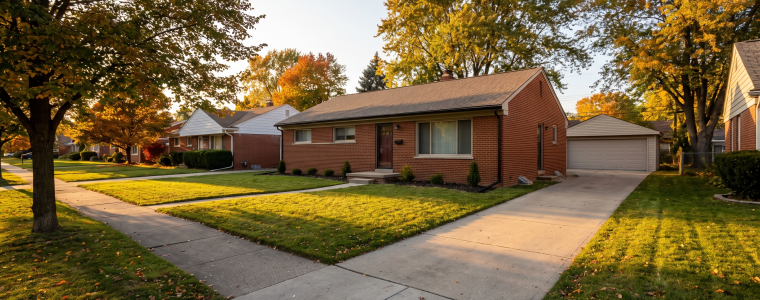
Managing multifamily properties successfully in Metro Detroit comes down to a few habits done consistently. Keep units filled with carefully screened tenants, stay ahead of maintenance on shared systems, collect rent the same way every month, follow Michigan and local rental rules to the letter, and track the numbers building by building. Owners who do those things well see lower turnover and fewer surprise repair bills.
The scale is what makes multifamily
The right condo management company for a Metro Detroit association keeps accurate books, keeps the reserve fund in line with Michigan law, answers co-owners quickly, and manages vendors so the board does not have to chase them. Before you sign a contract, compare five things: the scope of services, the fee structure, the quality of financial reporting, the company's local vendor network, and how it handles communication and after-hours emergencies.
Selecti
You closed on a Detroit rental in the spring, you budgeted for the taxes the seller was paying, and then the summer bill arrived and it was hundreds of dollars higher than the number you underwrote. Nothing went wrong. The property simply stopped being somebody's principal residence and started being an investment, and Michigan taxes those two things at very different rates.
Property taxes on Detroit rentals are one of the largest fixed costs in your pro f
You can buy a Detroit rental from a laptop in Phoenix or Brooklyn, but you cannot let a tenant in, meet an inspector, or find out why the basement smells like water from there. That gap between what you can do remotely and what has to happen in person is where most out-of-state investor problems in Metro Detroit begin.
The Detroit market rewards distant capital with entry prices and rent-to-value ratios that are hard to find on either coast. It also punish